


Stuck on your squat Clean ? The 5 technical issues you need to check
PROGRESS
Micha
7/3/20267 min read
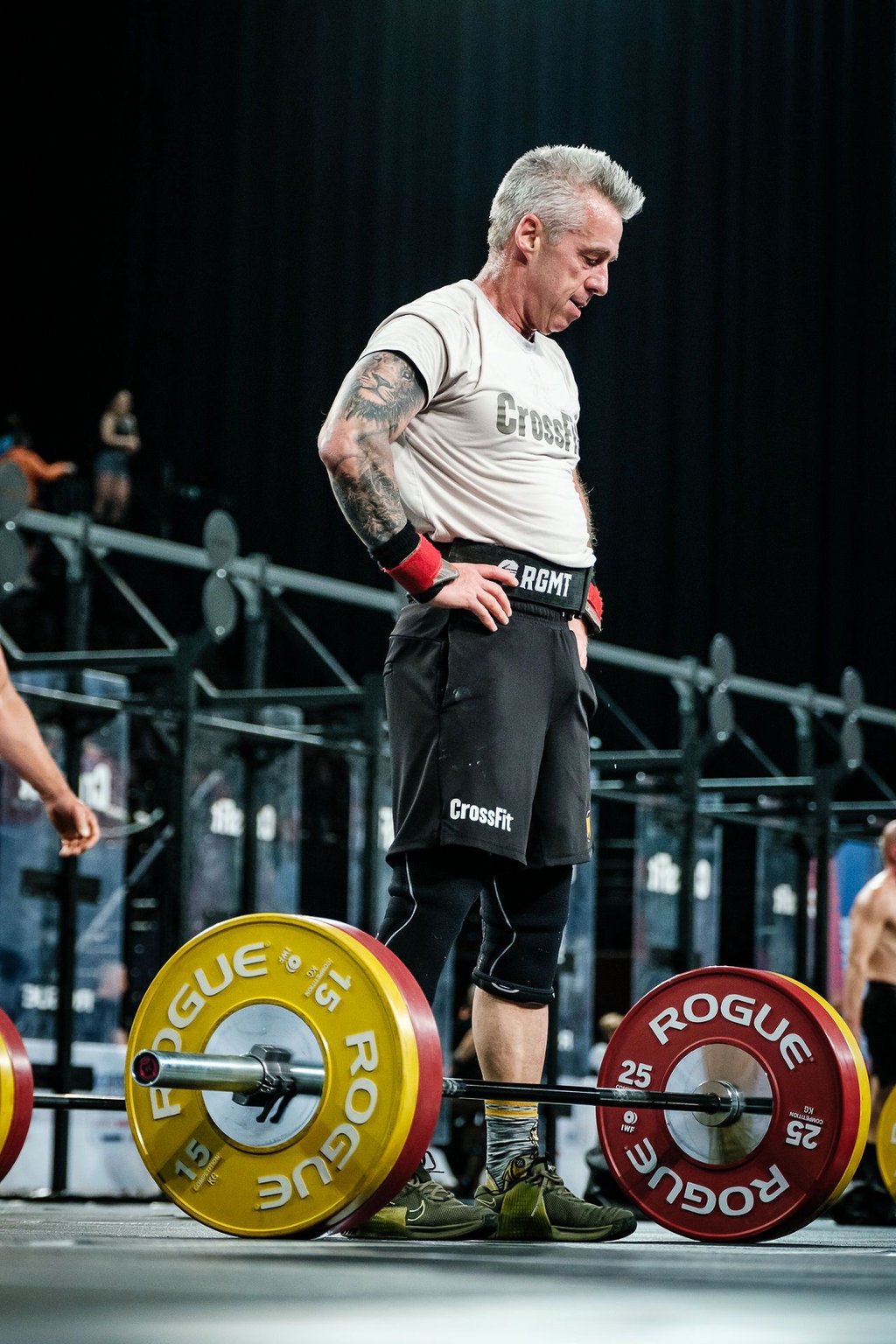
Does it frustrate you to keep getting stuck at the same weights, even though you feel like you could do better with a little help?
The real issue is not always strength. Very often, the squat clean gets blocked by a technical detail that breaks speed, bar path, or the receiving position. For CrossFit and weightlifting athletes, fixing these 5 points can unlock progress almost immediately.
Introduction
When the squat clean stalls, many athletes first think they simply “need more legs” or more front squat strength. In reality, position, bar path, and receiving errors are often the real limit, and they show up in both newer lifters and experienced competitors.
The goal here is simple: identify the 5 most common technical causes that hold back heavier lifts. This article is intentionally practical, based on real coaching logic and common issues seen in experienced athletes.
1. An unstable setup
The squat clean starts before the bar even leaves the floor. If your foot placement, back tension, bar position, and eye line are not consistent, the rest of the lift becomes more expensive and harder to repeat.
A good setup should be simple, repeatable, and solid: the bar close to the middle of the foot, an active chest, long arms, and a position that lets you push without losing structure. When the setup changes every rep, you are no longer building a technical pattern — you are compensating.
What to check
The bar starts over the middle of the foot.
The shoulders stay controlled and do not collapse forward.
The arms stay long until the transition phase.
Foot placement stays the same from rep to rep.
2. The bar drifts away from the body
One of the most costly mistakes is letting the bar drift forward. Coaching sources consistently point to the same idea: the closer the bar stays, the easier the catch, the stronger the position, and the less energy the athlete wastes.
When the bar loops around the knees or gets away from the body, the lifter has to pull longer, lean more, and chase the bar instead of receiving it. That mistake reduces useful speed and often turns the squat clean into a survival fight.
Why it limits progress
The bar path becomes longer.
The turnover timing gets worse.
The catch happens late and off balance.
The lift costs more energy, so heavy attempts feel worse.
3. A poorly controlled first pull
The first pull does not need to be flashy, but it does need to be clean. If the hips rise too fast, the back opens up, or the knees shift poorly, the athlete loses the power position before the bar even reaches the right phase.
In practice, many blocks come from a start that is too aggressive or too arm-dominant. The better approach is to let the legs do the work while keeping the torso under control. Experienced coaches often come back to the same principle: “start right, finish right.”
Common signs
The arms bend too early.
The bar travels around the knees.
The torso tips forward and collapses.
The power position arrives too late.
4. A weak front rack receiving position
The front rack is often underestimated, even though it directly affects squat clean success. If the elbows stay low, the upper back lacks support, or thoracic and shoulder mobility limit the catch, the bar becomes unstable the moment it should be locked in.
Several coaching resources point out that limitations in the wrists, shoulders, lats, and thoracic spine can prevent a strong rack, especially as the loads get heavier. The result is simple: the athlete may get the bar up, but cannot receive it strongly or cleanly.
What this causes
Elbows drop.
The chest collapses.
The bar rolls forward.
Confidence drops under heavy loads.
5. A lack of speed under the bar
The squat clean is not just about pulling high. It is also about getting under the bar quickly. When the athlete waits too long before turning the elbows over and dropping down, the bar catches up to them and the reception becomes heavy, slow, and unstable.
A good turnover feels like the bar settles into a smooth path, while the body moves under it immediately. This is often where competitors separate themselves — not because they pull dramatically harder, but because they position themselves better at the right time.
Key points to watch
Finish the extension without throwing the bar away.
Keep the bar close during the turnover.
Move under the bar without waiting for the drop.
Receive in the squat with confidence and continuity.
Control table
Checklist table
Conclusion
If your squat clean is blocked, do not look only at the weight. First look at the setup, bar proximity, first pull, front rack, and speed under the bar. These five points explain a large part of the technical ceiling seen in athletes who train seriously, even when their general strength keeps improving.
The most important thing is to fix what breaks the repetition, not just to “force harder.” Better technique lets you express your strength more efficiently, secure your catches, and move heavier bars with more control.
Don’t let the same mistakes keep holding your numbers back any longer.
Join Black Chapter to progress with a clear structure, real tracking, and direct access to the coaches on Discord.
With Chapter Compete, you move forward with more method, more feedback, and practical solutions to unlock your training.
Does it frustrate you to keep getting stuck at the same weights, even though you feel like you could do better with a little help?
The real issue is not always strength. Very often, the squat clean gets blocked by a technical detail that breaks speed, bar path, or the receiving position.
For CrossFit and weightlifting athletes, fixing these 5 points can unlock progress almost immediately.
Introduction
When the squat clean stalls, many athletes first think they simply “need more legs” or more front squat strength. In reality, position, bar path, and receiving errors are often the real limit, and they show up in both newer lifters and experienced competitors.
The goal here is simple: identify the 5 most common technical causes that hold back heavier lifts. This article is intentionally practical, based on real coaching logic and common issues seen in experienced athletes.
1. An unstable setup
The squat clean starts before the bar even leaves the floor. If your foot placement, back tension, bar position, and eye line are not consistent, the rest of the lift becomes more expensive and harder to repeat.
A good setup should be simple, repeatable, and solid: the bar close to the middle of the foot, an active chest, long arms, and a position that lets you push without losing structure. When the setup changes every rep, you are no longer building a technical pattern — you are compensating.
What to check
The bar starts over the middle of the foot.
The shoulders stay controlled and do not collapse forward.
The arms stay long until the transition phase.
Foot placement stays the same from rep to rep.
2. The bar drifts away from the body
One of the most costly mistakes is letting the bar drift forward. Coaching sources consistently point to the same idea: the closer the bar stays, the easier the catch, the stronger the position, and the less energy the athlete wastes.
When the bar loops around the knees or gets away from the body, the lifter has to pull longer, lean more, and chase the bar instead of receiving it. That mistake reduces useful speed and often turns the squat clean into a survival fight.
Why it limits progress
The bar path becomes longer.
The turnover timing gets worse.
The catch happens late and off balance.
The lift costs more energy, so heavy attempts feel worse.
3. A poorly controlled first pull
The first pull does not need to be flashy, but it does need to be clean. If the hips rise too fast, the back opens up, or the knees shift poorly, the athlete loses the power position before the bar even reaches the right phase.
In practice, many blocks come from a start that is too aggressive or too arm-dominant. The better approach is to let the legs do the work while keeping the torso under control. Experienced coaches often come back to the same principle: “start right, finish right.”
Common signs
The arms bend too early.
The bar travels around the knees.
The torso tips forward and collapses.
The power position arrives too late.
4. A weak front rack receiving position
The front rack is often underestimated, even though it directly affects squat clean success. If the elbows stay low, the upper back lacks support, or thoracic and shoulder mobility limit the catch, the bar becomes unstable the moment it should be locked in.
Several coaching resources point out that limitations in the wrists, shoulders, lats, and thoracic spine can prevent a strong rack, especially as the loads get heavier. The result is simple: the athlete may get the bar up, but cannot receive it strongly or cleanly.
What this causes
Elbows drop.
The chest collapses.
The bar rolls forward.
Confidence drops under heavy loads.
5. A lack of speed under the bar
The squat clean is not just about pulling high. It is also about getting under the bar quickly. When the athlete waits too long before turning the elbows over and dropping down, the bar catches up to them and the reception becomes heavy, slow, and unstable.
A good turnover feels like the bar settles into a smooth path, while the body moves under it immediately. This is often where competitors separate themselves — not because they pull dramatically harder, but because they position themselves better at the right time.
Key points to watch
Finish the extension without throwing the bar away.
Keep the bar close during the turnover.
Move under the bar without waiting for the drop.
Receive in the squat with confidence and continuity.
Control table
Checklist table
Conclusion
If your squat clean is blocked, do not look only at the weight. First look at the setup, bar proximity, first pull, front rack, and speed under the bar. These five points explain a large part of the technical ceiling seen in athletes who train seriously, even when their general strength keeps improving.
The most important thing is to fix what breaks the repetition, not just to “force harder.” Better technique lets you express your strength more efficiently, secure your catches, and move heavier bars with more control.
Don’t let the same mistakes keep holding your numbers back any longer.
Join Black Chapter to progress with a clear structure, real tracking, and direct access to the coaches on Discord.
With Chapter Compete, you move forward with more method, more feedback, and practical solutions to unlock your training.




BLACK CHAPTER
PROGRAMMING
From shadows to light.
Online Programming.
Individualized Coaching.
CONTACT
OUR PARTNERS
FOLLOW US
©2026 Black chapter programming. All rights reserved.
OUR gym
Useful links: Terms and Conditions · Refund Policy · Privacy Policy · Legal Notice